Strengthening the Policy Foundations of Eswatini’s TVET System
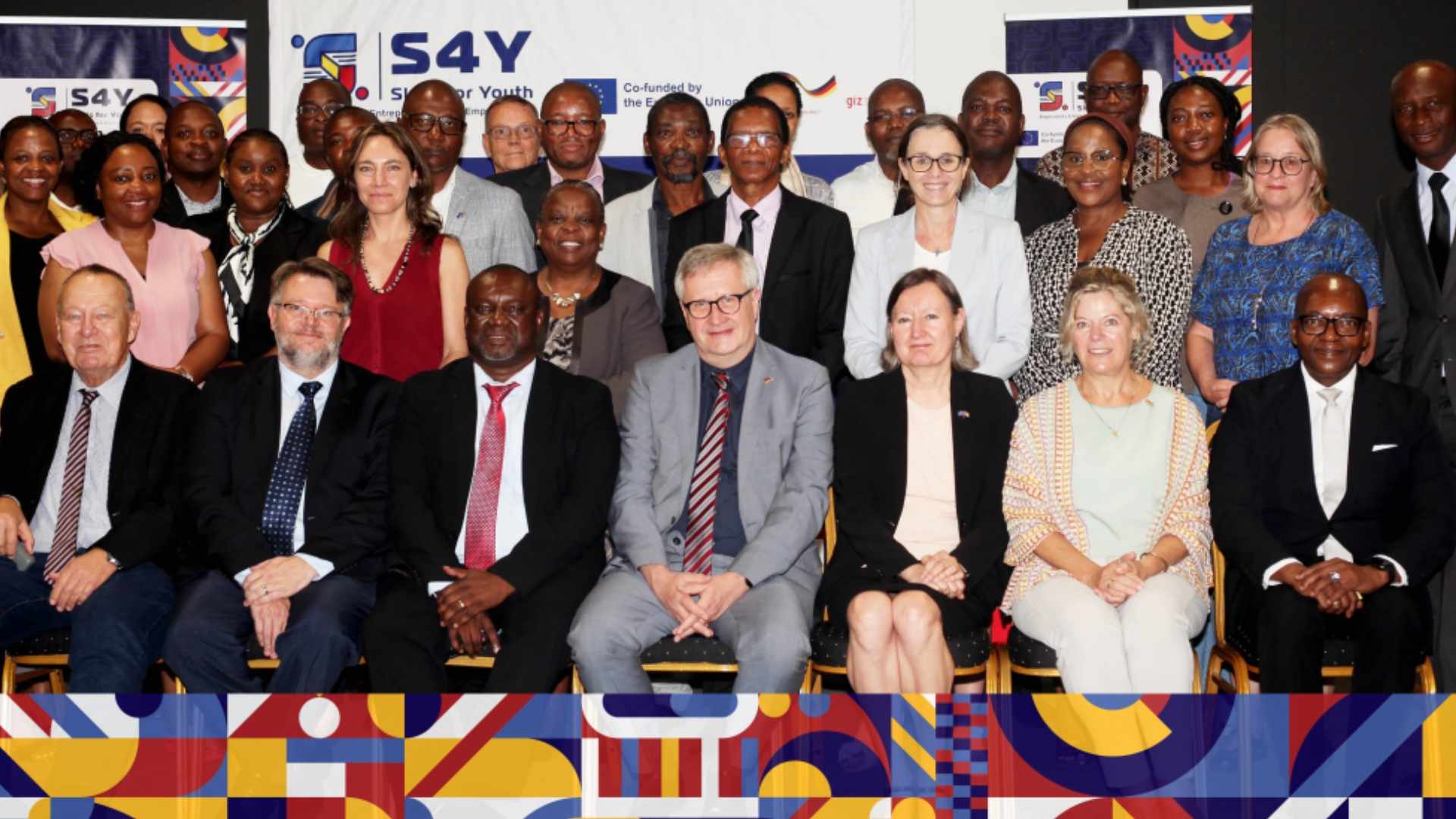
CEI is supporting the Skills for Youth Employability, Entrepreneurship and Empowerment Programme (S4YEEE) in Eswatini through an assignment focused on TVET policy, governance, regulation, and institutional capacity. The programme is co-financed by the European Union and BMZ, with CEI working through Thematic Working Group 1 on Policy, Governance and Coordination.
Eswatini’s TVET Policy for 2022–2027 sets out an ambition for a high-quality, demand-led technical and vocational education and training system. Important implementation challenges remain, however, including fragmented governance, weak industry engagement, and regulatory gaps. CEI’s role is to help the lead ministries and their partners assess progress, strengthen institutional capacity, and develop the policy and legislative foundations needed for a more coordinated system.
From Regulatory Analysis to a New TVET Bill
The assignment includes a rapid regulatory baseline and gap analysis, review of institutional mandates, and an organisational capacity assessment covering staffing, budgets, coordination, quality assurance, qualifications frameworks, recognition of prior learning, labour market information, and active labour market programmes. CEI is also examining how employers and Business Eswatini participate in the regulatory system and how information on skills needs reaches training providers.
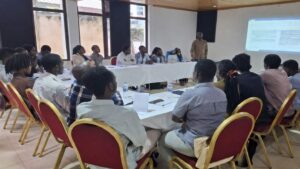
Consultation is central to the work. CEI is facilitating dialogue within government and with the private sector and civil society on regulatory options and draft legislation. The assignment also provides legislative and policy advice, including options and recommendations, support for drafting a new TVET Bill and regulations, policy briefs, and advice on regulatory risks.
The work builds on CEI’s 2025 rapid assessment of Eswatini’s TVET system, which helped inform the design and inception of S4YEEE. Capacity development plans, ongoing progress reporting, and attention to gender equality and social inclusion are being incorporated across the assignment so that institutional gains can be sustained beyond the programme period.