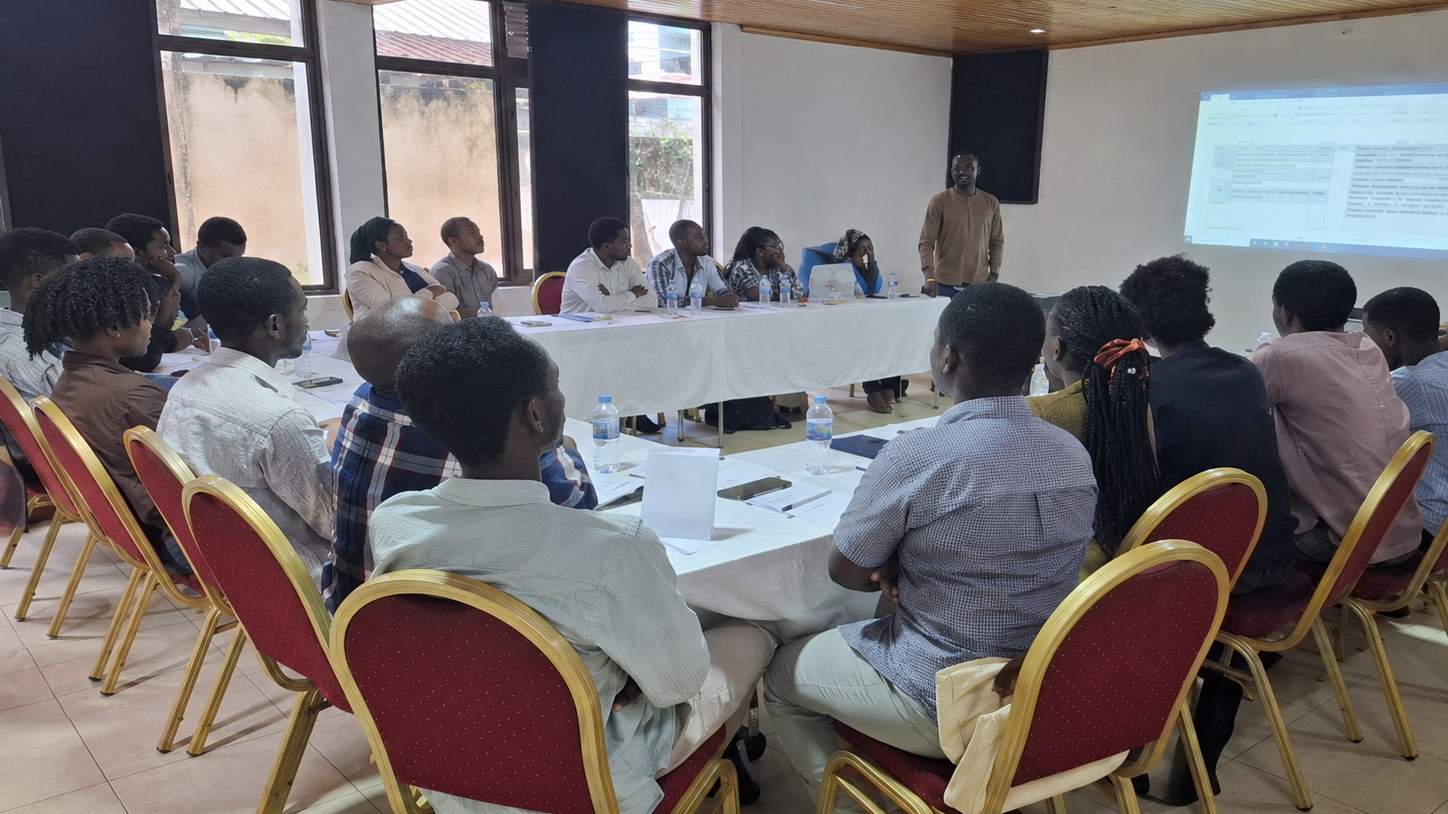
Building Tomorrow’s Skills in Rwanda
CEI is working with the Government of Rwanda and UNDP to forecast what jobs and skills the country will need over the next ten years. Using advanced data modelling and scenario analysis, we are mapping the growth of key sectors — from digital technology to green energy — to identify where skills shortages are likely to emerge before they become a problem.
This work is focused on helping Rwanda look ahead with greater confidence. As the economy continues to evolve, new opportunities will emerge in areas such as digital services, renewable energy, manufacturing, agribusiness, infrastructure, and climate-related industries. At the same time, employers will need workers with new combinations of technical, analytical, entrepreneurial, and soft skills. By examining these trends now, CEI is helping national partners understand not only where jobs may be created, but also what capabilities young people will need in order to access them.
The forecasting exercise brings together labour market information, economic projections, sector analysis, and stakeholder insight to create a clearer picture of future skills demand. Rather than treating skills development as a short-term response to today’s vacancies, the project supports a more strategic approach: identifying the occupations, competencies, and training pathways that are likely to matter most over the next decade. This gives government, education providers, and development partners a stronger evidence base for planning and investment.
Turning Evidence into Action
Rwanda has a young and rapidly growing population, but too many young people — particularly women and those in rural areas — remain locked out of quality employment. Our work goes beyond analysis: we are giving policymakers and training institutions the practical intelligence they need to update curricula, target investment, and ensure Rwanda’s education system keeps pace with its economy.
A central aim of the project is to help bridge the gap between education and employment. When training systems are not aligned with economic change, young people can complete programmes without gaining the skills employers need, while businesses struggle to find qualified workers. CEI’s analysis is designed to help reduce this mismatch by showing where skills gaps are likely to appear and where reforms may be needed in education, technical and vocational training, career guidance, and workforce development policy.
The work also places inclusion at the centre of future planning. Rwanda’s growth will be stronger and more sustainable if young women, rural communities, and other underserved groups are able to participate fully in emerging sectors. Forecasting future skills demand is therefore not only a technical exercise; it is also a tool for improving access, equity, and opportunity. By understanding which sectors are likely to grow and which groups face barriers to participation, policymakers can design more targeted interventions that connect more young people to meaningful work.
For training institutions, the findings will provide practical guidance on how curricula, qualifications, and delivery models may need to adapt. For government, the work will support better decisions about where to direct investment and how to prepare the workforce for structural change. For employers and development partners, the analysis will help clarify where collaboration is needed to build stronger pathways from learning to employment.
By anticipating future skills needs before shortages become severe, Rwanda can take a more proactive approach to workforce development. CEI’s role is to support that process with clear evidence, practical recommendations, and a focus on long-term impact. Through this assignment with the Government of Rwanda and UNDP, CEI is helping to strengthen the foundations for a more responsive education system, a more inclusive labour market, and a new generation of young people prepared for the opportunities ahead.